
Lights in the Darkness

This past Tuesday the Christmas season in the Christian church officially came to an end with the day of Epiphany. An epiphany in a non-religious sense means a moment of sudden revelation or insight. An a-ha moment. The religious day of Epiphany also celebrates a revelation, that of God’s love manifesting in the world in the form of a small baby. God reveals God’s self to us through Jesus, an a-ha moment worthy of awe and a sense of mystery. Jesus’ birth reveals the insight that love manifests in unexpected ways and unexpected places, such as a small baby born in a barn to working class parents, in a small town off the beaten path, in a rural country occupied by a larger more powerful nation.
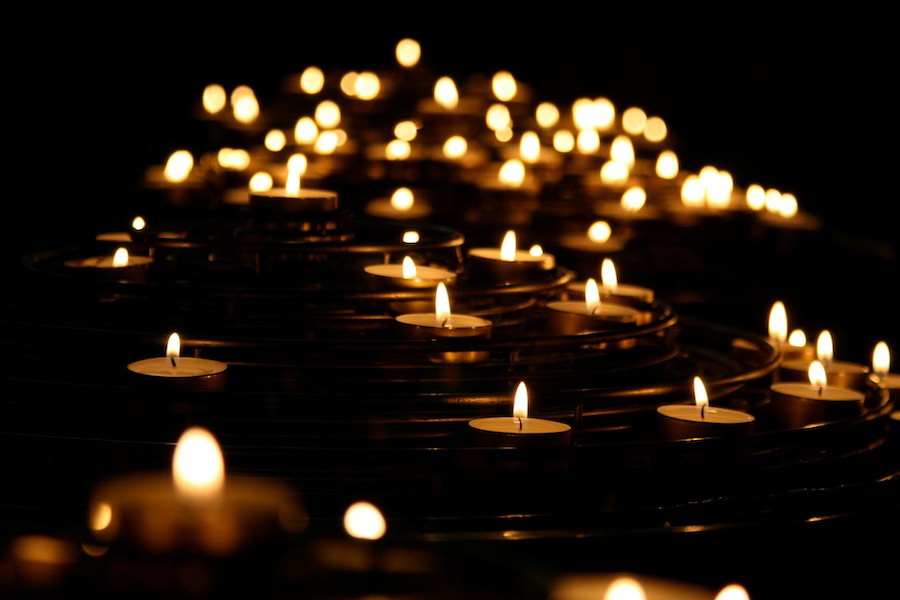
Traditionally, we reflect on Epiphany through the Biblical story of the three magi or kings, who see a star of significance in the sky and follow it to find who they presume is a newborn ruler. If we put ourselves in the shoes of these three figures, who in reality were probably members of the astrology-studying priestly caste of Zoroastrianism, we can imagine how they might have been filled with awe and mystery when a star appeared that wasn’t there before. A new light in the darkness of the night. It’s an extraordinary event that might have even challenged their assumptions and understandings of the universe. Epiphany is God revealing God’s self not just to a select powerful or pious few, but to all who would care to see. A star in the sky is visible to anyone who chooses to look and investigate.
The magi came to Bethlehem following that star, seeking something momentous. But they came not only searching for something for themselves. They came bearing gifts as well. The first of these gifts was frankincense, an incense used in the temple. Might this remind us that the embodiment of divine love is holy and sacred? When we seek love manifesting in the world, perhaps it is best found in a spirit of awe and reverence, remembering that this is a sacred journey on sacred ground where we are to offer our own sacred selves.
The second gift was myrrh, a funeral oil. We might understand it as a foreshadowing of Jesus’ death. When we seek love we are to come in the spirit of sacrifice, knowing that to be transformed and to transform the world, we may have to leave behind things such as our attachments to wealth and power. The myrrh speaks to our willingness to change and become someone new.
Gold, the symbol of a ruler, was the third and final gift. It says to us that this is someone who is worthy of our allegiance. When we search for love we are to come in the spirit of generosity and dedication. The gold speaks to our willingness to give of the best of ourselves, to dedicate all we have to spreading love, peace and justice in the world.
As we reflect on the three magi, we might ask ourselves not only what we hope to find on our own journeys, but what gifts do we bring? Do we come with awe and reverence? A willingness to sacrifice and be transformed? Do we come in a spirit of generosity and dedication?
We might also think about what happens when we find the light in the darkness. The magi followed the star to the embodiment of love, but then they had a choice to make. Would they dedicate themselves to the light or did they prefer the darkness itself? They had been asked to report what they found to Herod, Israel’s puppet king, who felt threatened by Jesus’ birth. However, they ignored Herod, choosing light instead of the powers of the world that would destroy the light because those powers need darkness to hide their corruption and evil. Herod, so the story goes, responded by ordering the murder of all the children in Bethlehem under two years old, trying to kill the light. This behavior, selfish and violent, thinking only of maintaining his own power, reminds me of many of our own political leaders today. Are we following the light, giving ourselves to the embodiment of love in the world? Or do we never make it past the Herods, hiding with them in the darkness?
Epiphany invites us to open ourselves to the wisdom and light of love that is within us and all around us, both in expected and unexpected places. That love may not be easy to see in a world where government thugs murder innocent women like Renee Good in cold blood. In a world where our President believes he is not accountable to anyone and so finds it perfectly acceptable to murder people in boats without due process or illegally disregard the sovereignty of another nation like Venezuela. Not to mention all the other cruel horrors the current administration has foisted upon the people of this country and the world. Which is why the world desperately needs us all to embrace love in the face of evil, ourselves becoming lights in the darkness, so that others might see the path they walk and turn in a new direction, toward love, toward their own healing and the healing of this world we all live in together.